
What to Look for When Adding a Roll Coater
When expanding or improving your business a coating line process or a
completely new coating line there are many factors to consider.
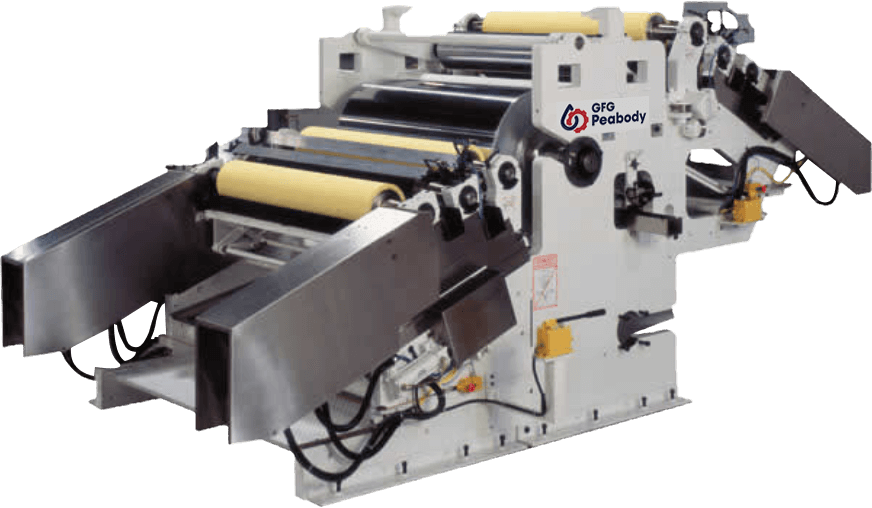
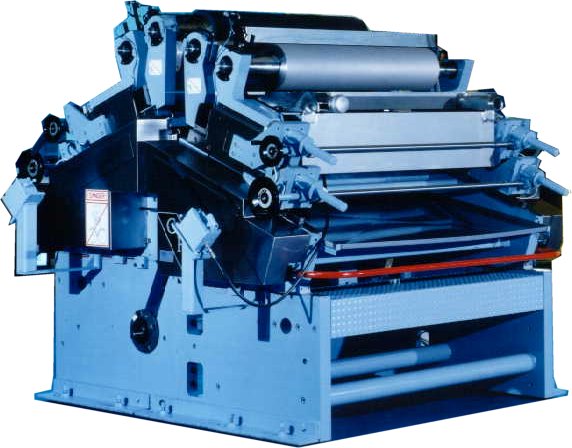
Roll Coaters are the heart of a metal coating or paint line controlling the coating application accuracy and appearance. The Roll Coater and curing system are the primary equipment that defines the quality and appearance of your finished product.
Multiple configurations are available, and it is important to engineer the correct design that best fits the process application, production requirements and line process layout. Best value is created with a detailed collaborative effort between the End User and Coater Supplier, the little things can make the difference.
Roll Coater equipment should be designed with anticipated multi-decade life expectancy with minimal maintenance and adaptable to future process improvements, automation, digitization, and market driven product changes.
- Can I change from 2-roll to 3-roll V or 3-roll inline configuration?
- Does it support forward and reverse coating?
- Can it nip feed or pan feed as necessary?
- Can I remotely flush solvent or water to reduce the need for manual cleaning of the rolls and pans?
- Is the open/close actuated so that the position is repeatable after a splice, cleaning or maintenance?
- Are the movement assemblies positively linked for accuracy and repeatability?
- Are linear bearings used for head movement for minimum friction and better stability?
- Are the frames made from solid plate, stress relieved and Blanchard ground for durability and reducing vibration?
Roll Coaters are intended for a wide range of coating applications, various product types including multiple paint systems both solvent and water based, chemical passivation and other surface treatments, inks for printing, wax or food grade lubricants, plastisol style coating for embossing, UV coatings and others that will come to market in the future.